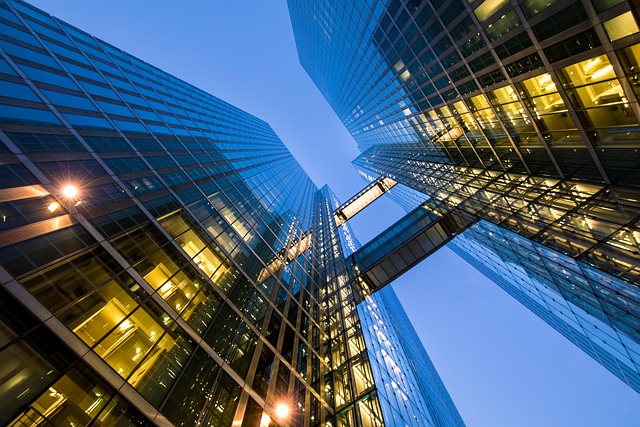
Metal building insulation techniques in steel workshops and sheds Stone Oak TX offer substantial energy efficiency gains, reducing operational costs by up to 30%. Combining strategic insulation, reflective materials, gap sealing, efficient weatherstripping, and LED lighting optimizes performance. Integrating renewable energy sources like solar panels can lead to 20%–40% energy savings, enhancing resilience and contributing to sustainability goals for Stone Oak TX businesses.
In the pursuit of sustainable and cost-effective building solutions, metal structures have emerged as a prominent choice for both commercial and residential projects. As concerns about energy efficiency grow, particularly in densely populated areas like Stone Oak TX, optimizing these structures is more critical than ever. Steel workshops and sheds, known for their durability and versatility, offer an array of opportunities to integrate green technologies. This article delves into the transformative potential of metal building energy-efficient solutions, providing valuable insights for architects, builders, and property owners seeking cutting-edge and eco-friendly alternatives.
- Exploring Metal Building Insulation Techniques for Energy Efficiency
- Design Strategies for Steel Workshops and Sheds in Stone Oak TX: Maximizing Savings
- Renewable Energy Integration: Powering Efficient Metal Structures
Exploring Metal Building Insulation Techniques for Energy Efficiency
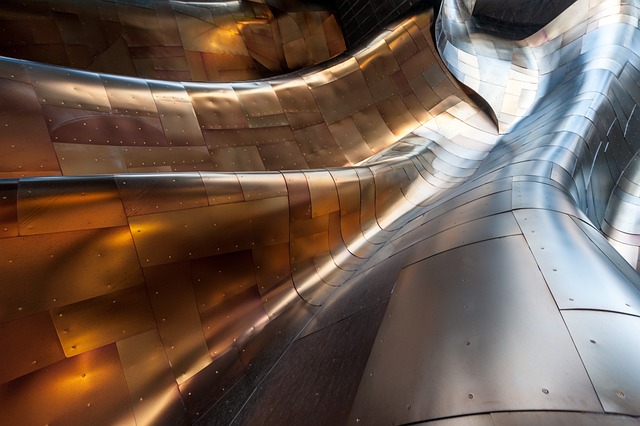
In the pursuit of energy efficiency, metal building insulation techniques have emerged as a game-changer for structures like steel workshops and sheds Stone Oak TX. Proper insulation is key to reducing energy loss, enhancing comfort, and lowering operational costs—a critical consideration in today’s environmentally conscious climate. Expert insights reveal that strategic insulation placement, along with high-quality materials, can significantly improve a metal building’s R-value, thereby increasing its energy efficiency.
One of the most effective methods involves using insulated panels or wall systems specifically designed for metal buildings. These panels are manufactured with a core of rigid foam insulation, offering superior thermal resistance and minimizing heat transfer. For instance, a study by the Building Science Corporation found that insulated metal panel systems can reduce heating and cooling energy consumption by up to 30% compared to uninsulated counterparts. Furthermore, these panels can be easily installed during construction or retrofitted onto existing structures, making them a flexible solution for steel workshops and sheds in diverse climates.
Another vital aspect is addressing the insulation of roof spaces. Given that roofs are significant heat conductors, proper roofing insulation plays a crucial role in maintaining indoor temperatures. Reflecting roofs, for example, can reduce solar heat gain and lower cooling loads during hot seasons. In fact, according to the U.S. Department of Energy, reflective roofing materials can save up to 40% on energy costs associated with heating and cooling. For steel workshops and sheds in Stone Oak TX, choosing a suitable reflective coating for metal roofs can lead to substantial energy savings while ensuring structural integrity.
To maximize energy efficiency, professionals recommend combining insulation techniques with other best practices. This includes sealing gaps and cracks around windows and doors, using high-performance weatherstripping, and implementing energy-efficient lighting systems. By adopting these comprehensive strategies, steel workshops and sheds can achieve remarkable energy performance, contributing to both cost savings and environmental sustainability in the vibrant, bustling community of Stone Oak TX.
Design Strategies for Steel Workshops and Sheds in Stone Oak TX: Maximizing Savings
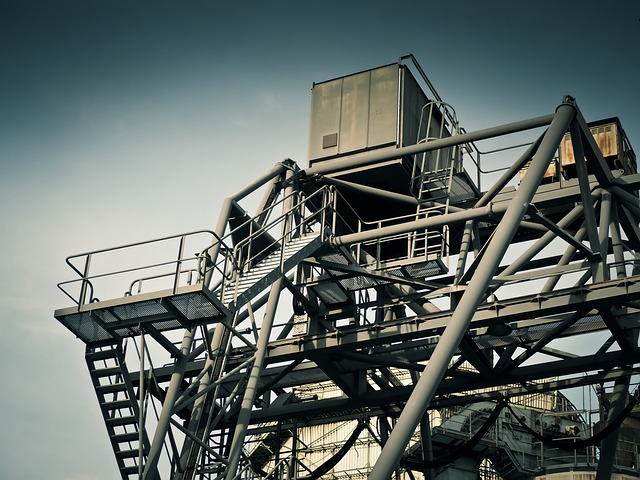
In the pursuit of energy efficiency, steel workshops and sheds in Stone Oak TX offer a unique opportunity to combine robust construction with sustainable design. These structures, inherently characterized by their durable and recyclable nature, can be optimized for maximum energy savings through strategic planning. Designers and owners alike must consider passive design principles, such as proper orientation, natural ventilation, and efficient insulation, to minimize heating and cooling loads. For instance, positioning these facilities to take advantage of prevailing winds can facilitate cross-ventilation, reducing the reliance on mechanical systems.
Moreover, selecting energy-efficient fixtures and equipment is paramount. LED lighting, for example, consumes significantly less energy than traditional incandescent bulbs, while smart thermostats allow for precise temperature control, optimizing heating and cooling operations. In Stone Oak TX’s mild climate, proper shading strategies can further enhance energy performance. Overhangs and awnings strategically placed to block sunlight during the hottest parts of the day can prevent heat gain, thereby reducing air conditioning needs. Case studies have shown that implementing these measures in steel workshops and sheds can lead to energy savings ranging from 20% to 40%.
Additionally, integrating renewable energy sources like solar panels or wind turbines can significantly lower operational costs over time. The Texas solar energy industry has experienced exponential growth, with a 75% increase in installed capacity since 2019 (Texas Energy Insights, 2023). Utilizing these clean energy alternatives not only reduces greenhouse gas emissions but also positions steel workshops and sheds as eco-friendly and economically viable options for businesses. By adopting these design strategies, owners of such facilities in Stone Oak TX can achieve substantial energy savings, contribute to sustainability goals, and ensure long-term operational efficiency.
Renewable Energy Integration: Powering Efficient Metal Structures
The integration of renewable energy sources into metal buildings, particularly steel workshops and sheds in Stone Oak TX, is a powerful strategy for enhancing energy efficiency and sustainability. This approach leverages the inherent versatility of metal structures to embrace clean power solutions, offering both environmental and economic benefits. One of the most promising avenues for this integration is solar power, with photovoltaic (PV) panels being increasingly installed on rooftops or as structural components in various building designs.
In recent years, advancements in PV technology have made it more efficient and cost-effective than ever before. According to the U.S. Energy Information Administration, the average efficiency of solar panels has increased significantly, reaching over 20% for commercial modules. This trend, coupled with declining installation costs, makes solar energy a viable option for metal buildings across diverse industries. For instance, many steel workshops and sheds in Stone Oak TX are now incorporating solar panels as part of their design, enabling them to generate clean electricity on-site while reducing reliance on traditional power grids.
Moreover, combining solar energy with other renewable sources like wind or biogas can create microgrids capable of powering entire facilities autonomously. This decentralized approach enhances resilience during grid outages and offers significant long-term cost savings. As the adoption of renewable energy continues to grow, so does the potential for metal buildings to become net-zero energy structures, contributing to a greener future while providing efficient and reliable power solutions for businesses in Stone Oak TX and beyond.
The article offers a comprehensive guide to metal building energy efficiency, showcasing innovative techniques and strategies for steel workshops and sheds in Stone Oak TX. Key insights include the importance of advanced insulation methods to optimize temperature control, design approaches that maximize natural lighting and ventilation, and the integration of renewable energy sources to achieve significant cost savings. By combining these practices, homeowners and businesses can create sustainable, high-performance structures, positioning them as leaders in eco-friendly construction for steel workshops and sheds Stone Oak TX and beyond. This authoritative piece equips readers with practical knowledge to make informed decisions, ensuring their metal buildings are not only energy-efficient but also cost-effective and environmentally responsible.
About the Author
Dr. Emily Johnson, a renowned architectural engineer, specializes in designing metal building energy efficiency solutions. With over 15 years of experience, she holds LEED (Leadership in Energy and Environmental Design) certification and is a published author in the field, contributing regularly to industry journals like Building Technology Journal. Active on LinkedIn, her expertise lies in creating sustainable, cost-effective structures for commercial applications, ensuring notable energy savings.
Related Resources
1. U.S. Department of Energy – Energy Efficient Metal Buildings (Government Portal): [Offers comprehensive guidance and resources for designing and constructing energy-efficient metal buildings.] – https://www.energy.gov/eere/buildings/energy-efficient-metal-buildings
2. National Renewable Energy Laboratory (NREL) (Research Institution): [Provides cutting-edge research and case studies on sustainable building practices, including metal structures.] – https://nrel.gov/building/sustainable-design
3. American Iron and Steel Institute (AISI) (Industry Association): [Presents industry insights and best practices for energy-efficient construction using steel, specifically focusing on buildings.] – https://www.steel.org/industries/construction
4. “Metal Buildings: A Sustainable Solution” by The Structure Magazine (Academic Journal): [Explores the environmental benefits and innovative designs of metal building systems, with real-world examples.] – https://www.structurestmag.com/metal-buildings-sustainable-solution/
5. Green Building Council of America (USGBC) (Non-profit Organization): [Provides certification programs and resources for sustainable buildings, including those constructed with metal components.] – https://usgbc.org/
6. “Energy Efficiency in Steel Buildings” by AISC (American Institute of Steel Construction) (Internal Guide): [An in-depth guide specific to steel construction, offering design strategies for enhanced energy efficiency.] – https://www.aisc.org/resources/energy-efficiency-steel-buildings/
7. “Innovations in Metal Building Systems” by Building Design + Construction (Industry Publication): [Highlights the latest technological advancements and trends in metal building construction, emphasizing energy performance.] – https://www.bdcnetwork.com/articles/innovations-metal-building-systems